Asthma Care
Breathing relief and personalized inhaler management.
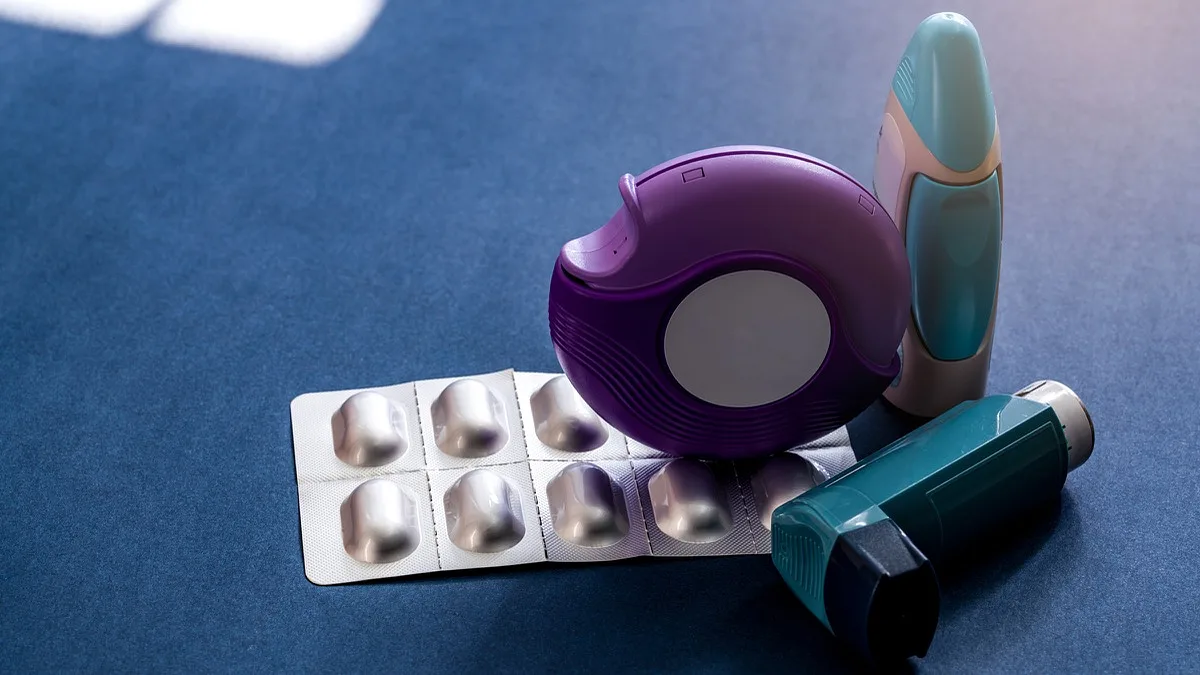
Well-controlled asthma means fewer attacks, better sleep, and the freedom to live without watching every breath.
What is asthma?
Asthma is a long-term condition in which the airways become inflamed and narrow in response to triggers, causing wheezing and breathlessness. With the right plan, most people control it so well that it rarely interferes with daily life.
Common triggers
- Allergens like pollen, dust mites, and pet dander
- Cold air and sudden weather changes
- Exercise
- Respiratory infections
- Smoke and air pollution
How we keep it under control
Dr. Katari helps you find the right inhalers, reviews your technique so every dose counts, and builds a personalized action plan — so you feel confident handling flare-ups and seasonal changes.
Your two inhalers do different jobs
A controller inhaler is taken every day to calm the inflammation underneath your asthma — it's what prevents attacks. A rescue inhaler opens the airways fast during symptoms. If you're using your rescue inhaler more than twice a week, your asthma isn't controlled, and adjusting the controller usually fixes it.
For some patients, one combined inhaler now does both jobs — controller and reliever in a single device. Ask whether that fits your asthma.
What good control looks like
- Symptoms no more than twice a week
- Sleeping through the night without coughing or wheezing
- Full participation in exercise and daily activities
- Rescue inhaler used rarely — not as a routine
- No missed work or school because of asthma
What we offer
- Personalized asthma action plans
- Inhaler selection & technique
- Trigger identification
- Prompt care for flare-ups
When to see a doctor
- You're reaching for your rescue inhaler more than usual
- Symptoms are waking you at night
- Breathlessness is limiting your activity
- Severe shortness of breath — seek emergency care
Common questions
Can asthma be cured?
There's no cure, but with the right plan most people control it so well it rarely interferes with life.
What should I do during a flare-up?
Follow your action plan and use your rescue inhaler. If it's not improving, call us — we will get you in as soon as your plan allows, often the same day.
Are inhaled steroids safe?
Yes — at the doses used for asthma, controller inhalers are safe and prevent dangerous attacks.
Ready to see a doctor who listens?
Book online in a couple of minutes, or call and our staff will help you find a time.