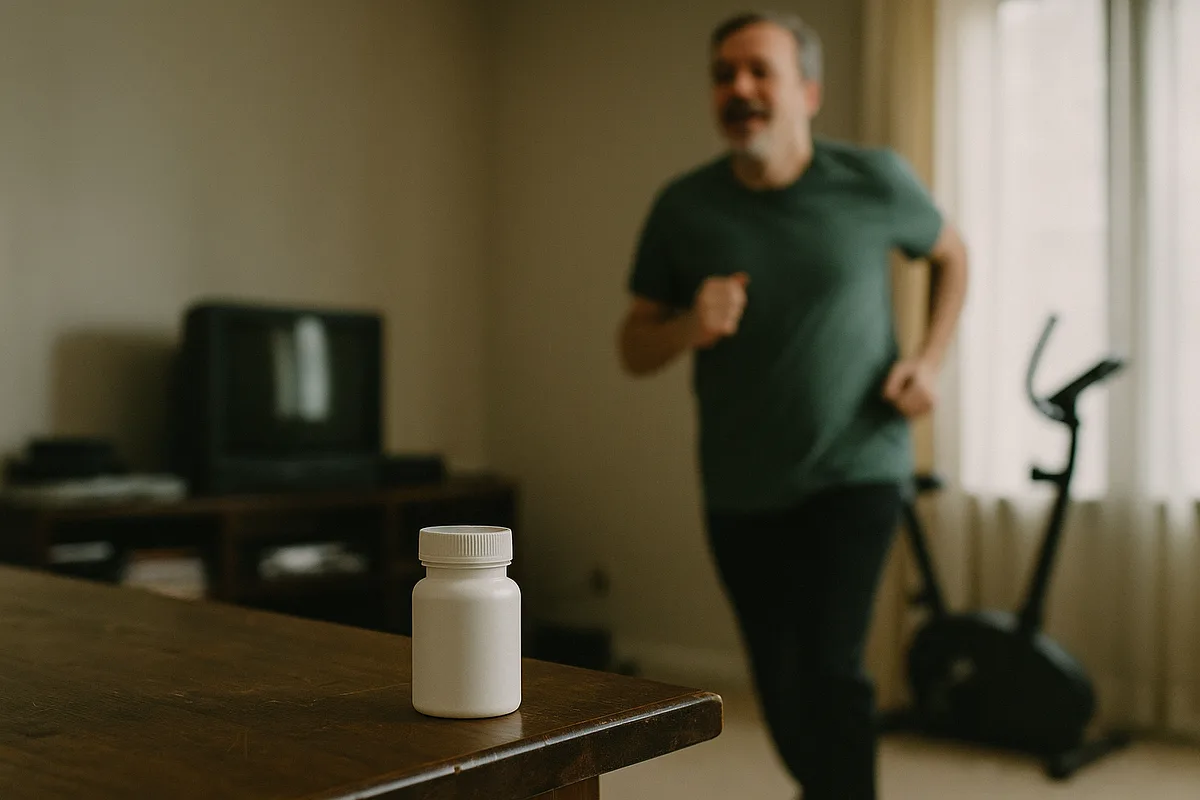
Some of the most meaningful moments in medicine happen outside the clinic. Today, after finishing a busy day of appointments, I went to the gym. As I walked toward the treadmill, I saw a familiar face smiling at me. It took me a second to recognize him — but then it clicked. He was one of my long-term patients, someone I first met five years ago, during a very stressful chapter of his life.
What followed over the next five years is a powerful example of how lifestyle change, stress management, and consistent follow-up can transform blood pressure — and even allow safe deprescribing.
The First Visit – Five Years Ago
He came urgently requesting to be seen. His blood pressure was 160/100, and he looked worried. His wife had traveled to India, and he was eating outside almost every day — restaurant food, high salt, irregular meals.
We started him on losartan, educated him about diet, and reassured him. Over the next months, his blood pressure stabilized. He felt better, and he understood how food choices directly affected his numbers.
Four Years Ago – A Turning Point
He returned for follow-up, and his blood pressure was significantly better. He had made changes — cooking more at home, reducing salt, walking regularly. With stable readings and improved habits, we weaned him off medication under close supervision.
He felt proud. And he should have.
Three Years Ago – Stress Strikes Again
He came back with his wife. His blood pressure was 170/110, and he was visibly anxious. Stress was overwhelming him — work pressure, family responsibilities, lack of sleep.
We restarted treatment with Bystolic, and more importantly, we focused on stress management:
- Breathing exercises
- Mindfulness and grounding techniques
- Sleep hygiene
- Limiting caffeine
- Counseling referral
- Encouraging regular physical activity
He took the medication without side effects, and he worked on his stress. Slowly, things improved.
Wellness Visit – 2026
This year, he walked into the clinic for his wellness exam with a calm smile. His blood pressure was 110/70 — without any medication.
He had maintained his weight, kept his salt intake low, exercised regularly, and practiced stress-management techniques. He reduced his long-term risk of:
- Heart attack
- Stroke
- Memory loss
- Kidney disease
- Early death
Seeing him at the gym today — healthy, confident, medication-free — reminded me why deprescribing matters.
What This Story Teaches Us About Deprescribing
Deprescribing is not stopping medication abruptly. It is a planned, supervised, evidence-based process guided by:
- Understanding the disease
- Monitoring blood pressure trends
- Applying lifestyle changes
- Managing stress
- Ensuring follow-up
- Adjusting medications safely
In our clinic, we strive to help patients understand lifestyle changes and execute them for long-term benefit. These changes increase longevity, reduce complications, and empower patients to take control of their health.
Lifestyle Changes That Support Deprescribing
1. DASH Diet
Lowers BP by 10–12 mmHg. Rich in vegetables, fruits, whole grains, and low-fat dairy.
2. Weight Loss
Every 1 lb lost ≈ 1 mmHg drop. A 10 lb loss can reduce BP by ~10 points.
3. Exercise
Regular aerobic activity lowers BP by ~5 mmHg.
4. Low-Salt Diet
Reduces BP by ~5 mmHg. Important for patients from regions with high salt intake.
Salt Intake Around the World (WHO Data)
- China: 10–12 g/day
- Japan: 9–10 g/day
- South Korea: 10–11 g/day
- Taiwan: 8–9 g/day
- Hong Kong: 7–8 g/day
- India: 9–11 g/day
- United States: 8–9 g/day
All exceed the WHO recommendation of <5 g/day.
Stress-Management Techniques That Help Lower BP
- Deep breathing (4-7-8 technique)
- Meditation or mindfulness apps
- Yoga or tai chi
- Regular sleep schedule
- Limiting caffeine and alcohol
- Journaling or gratitude practice
- Counseling or therapy
- Social connection and support
- Daily physical activity
- Setting boundaries at work
Stress is often the hidden driver of hypertension — and addressing it is essential for deprescribing.
Medication Options When Needed
While deprescribing is a goal, medications remain essential for many patients. Common classes include:
- ARBs (e.g., losartan)
- Beta-blockers (e.g., Bystolic)
- ACE inhibitors
- Calcium channel blockers
- Diuretics
These are safe and effective when used appropriately — and can be tapered only when blood pressure remains stable.
A Final Word of Caution
I do not recommend stopping medications without follow-up and supervision. If you are struggling to reach your health goals, sit with your doctor and discuss a plan. If you do not have a doctor — I am happy to see you.
Deprescribing is a journey. Lifestyle is the foundation. Supervision is the safety net. And long-term health is the reward.
Related conditions
Book an appointment
Choose a time online with Dr. Vijay Katari, MD at our Frisco or McKinney office, or call (214) 884-2774.