High Cholesterol & Lipids
Statins, lifestyle changes, and advanced lipid management.
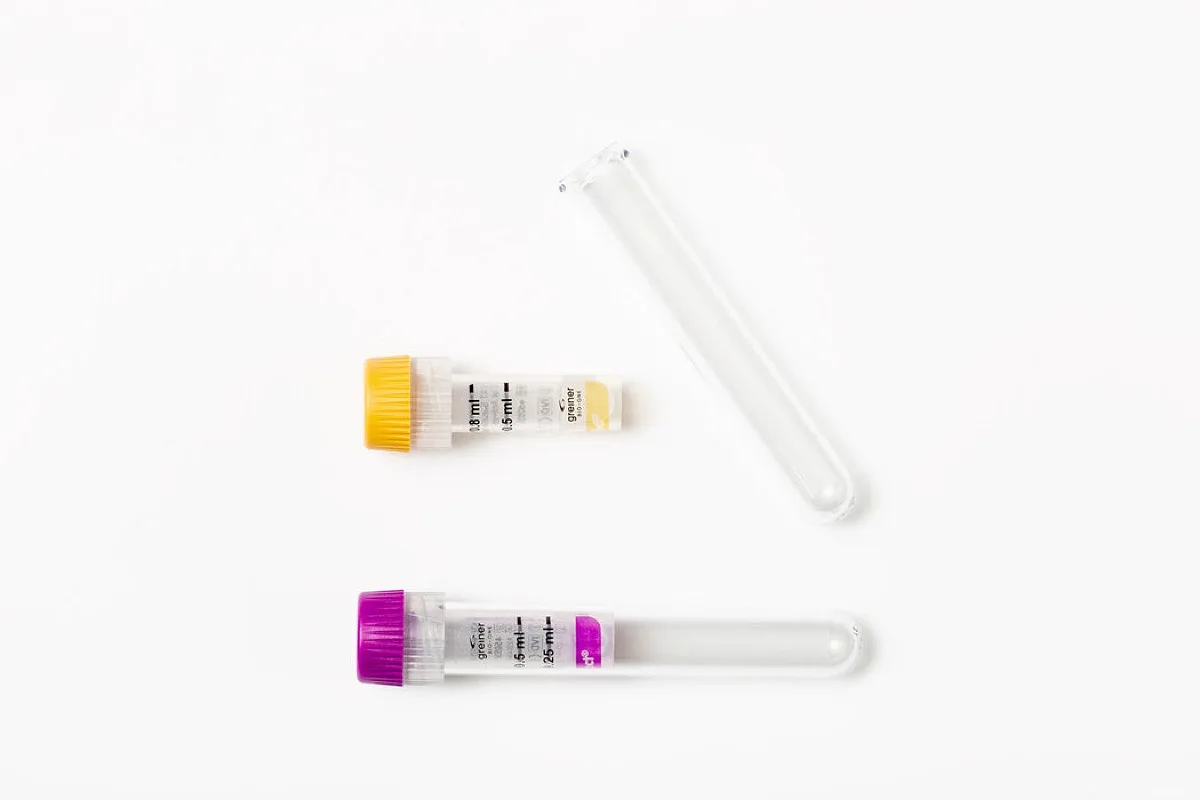
Managing your cholesterol is one of the most powerful things you can do to lower your lifetime risk of heart attack and stroke.
What your lipid panel means
Cholesterol travels in your blood as LDL (the “bad” kind), HDL (the “good” kind), and triglycerides. Too much LDL builds plaque inside your arteries. Dr. Katari reviews your full panel — not just the total — to understand your true cardiovascular risk and set clear targets.
What raises cholesterol
- A diet high in saturated and trans fats
- Physical inactivity and excess weight
- Smoking
- A family history of high cholesterol
- Diabetes and certain other conditions
How we treat it
Treatment ranges from diet and exercise to statins or advanced lipid therapies when appropriate. You'll always understand the reasoning behind each step and your targets, with regular follow-up to track progress.
Know your targets
Your LDL target depends on your overall cardiovascular risk — that is how current guidelines work. Under 100 mg/dL is a common goal, and if you've had a heart attack, stroke, or diabetes, your target is lower still (often under 70). HDL above 40–50 mg/dL and triglycerides under 150 mg/dL round out the picture. We'll set your personal targets together.
Heart-healthy eating made simple
- Swap butter and fatty red meat for olive oil, fish, and poultry
- Add soluble fiber — oats, beans, apples — which lowers LDL
- Choose nuts over chips for snacking
- Cut back on fried food and sugary drinks
- You don't have to be perfect — consistency beats perfection

What we offer
- Complete lipid panel testing
- Statin & advanced lipid therapy
- Diet & exercise planning
- Cardiovascular risk assessment
Common questions
Are statins safe?
For most people, yes — they're among the most studied medicines in the world. We'll discuss the benefits, side effects, and alternatives.
Can I lower cholesterol without medication?
Sometimes. We'll see how far diet, exercise, and weight management take you before considering medication.
If there are no symptoms, why treat it?
Because the risk is silent. Lowering your LDL today prevents heart attacks and strokes years down the road.
Ready to see a doctor who listens?
Book online in a couple of minutes, or call and our staff will help you find a time.